Getting inherently safe design right
· Dipl.-Ing. Andreas May
EN ISO 12100 sets the hierarchy for risk reduction. Inherently safe design comes first. It works the hardest and is skipped the most often. Applied consistently, it saves costly technical safeguards and lengthy user information later.
What “inherently safe” means
A design measure eliminates the hazard at the source instead of shielding against it or warning about it. The classic example: avoid sharp edges instead of recommending gloves. Or limit the motion energy of a machine so that contact cannot cause injury, instead of retrofitting guards.
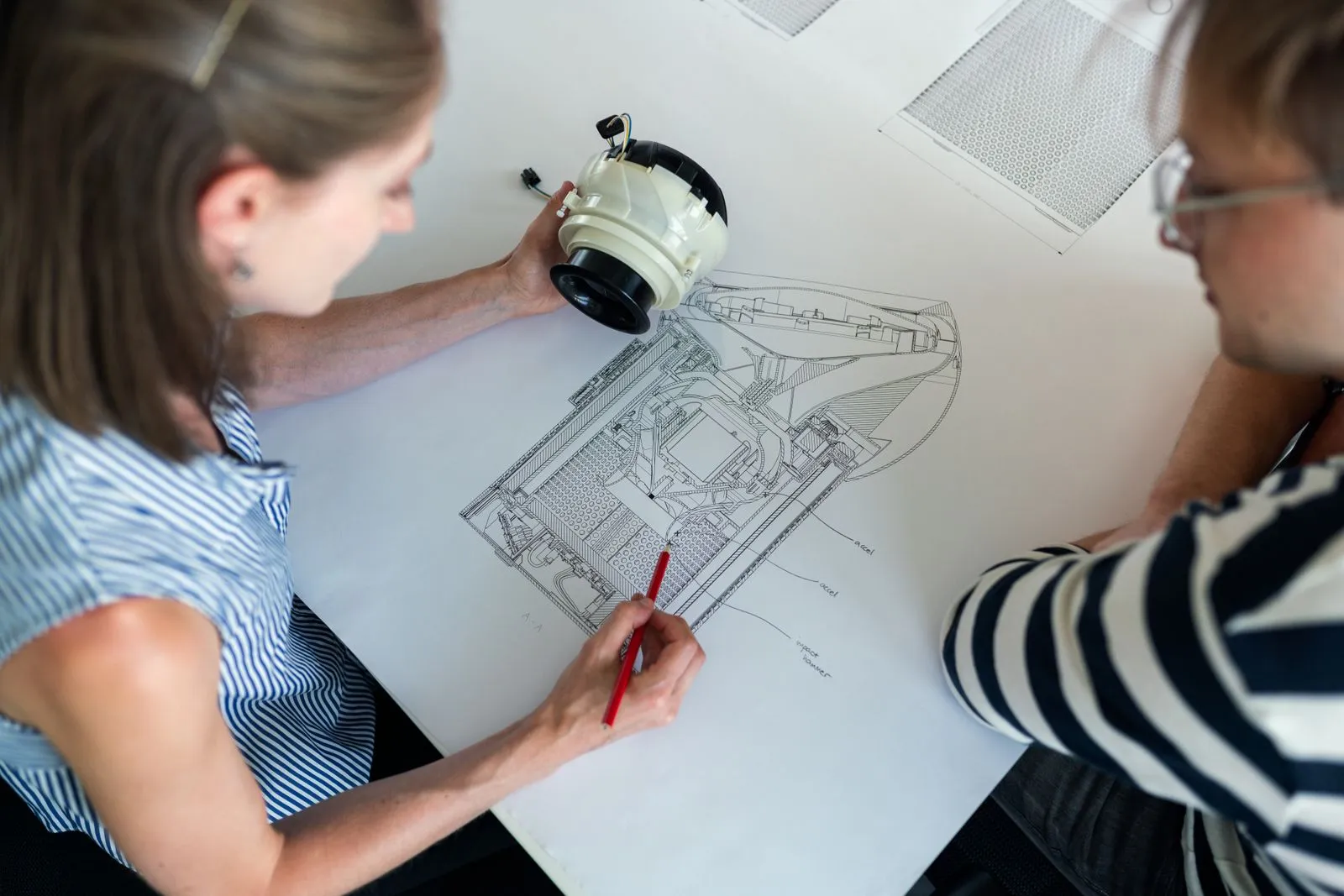
The standard sets out three steps:
- Inherently safe design: eliminate the hazard through design or reduce the risk by choosing suitable design features.
- Technical protective measures: separating or non-separating safeguards.
- Information for use: warnings, operating instructions, description of residual risks.
Step 1 always takes precedence. Only when a hazard cannot be eliminated by design do steps 2 and 3 come into play.
Typical inherently safe measures
In practice, simple means often remove a hazard:
- Sufficient safety distances per EN ISO 13857 and shaping that avoids pinch and shear points.
- Limiting speed, force or torque to a harmless level from the outset, instead of monitoring the motion afterwards.
- Choosing materials that rule out hazards from the equipment itself: non-conductive, corrosion-resistant or food-grade.
- Containing noise, vibration and radiation through construction and material choices.
Information for use: applying the third step correctly
Whatever risk remains after steps 1 and 2 falls to information for use. EN ISO 12100 distinguishes three forms:
- Visual or acoustic signals warning of an imminent hazardous event, such as a start-up warning.
- Safety signs, pictograms and written warnings placed at the hazard itself, permanently attached and, wherever possible, understandable without a language barrier.
- Accompanying documents, above all the operating instructions covering intended use, reasonably foreseeable misuse, the personal protective equipment required and the residual risks.
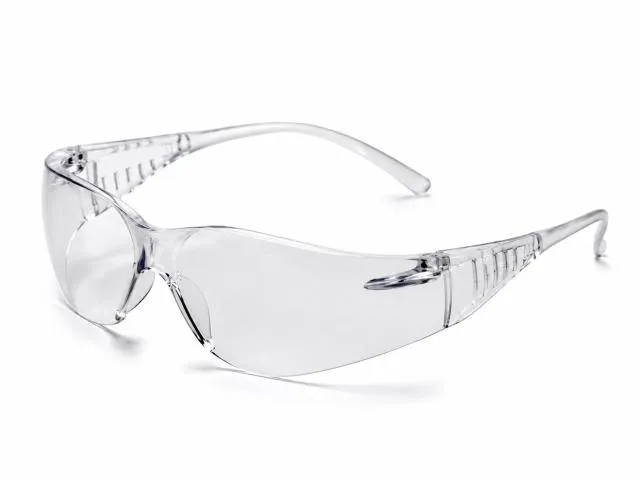
Unlike the first two steps, information for use does not reduce the risk itself. It relies on the operator reading, understanding and following it. That is why it only carries weight once design and technical means are exhausted. Requiring safety glasses in the manual is no substitute for a guard that keeps the chip from being thrown out in the first place.
Why the order matters
A common mistake: designers rely on technical safeguards early, on light curtains, safety fences and interlocks, without first reducing the hazard through design. The result is expensive protective equipment that operators often bypass because it gets in the way of the work.
A well-executed design measure requires no behaviour from anyone. It makes the danger impossible. That sets it apart from every downstream measure.
Keeping the record
Every protective measure, including the design ones, has to be documented. The risk assessment has to show which hazard was eliminated or sufficiently reduced by which design measure.
Probavis helps you do that: in the project tree you assign each hazard its chosen design measure directly. The associated evaluation, the residual risk and the applicable standard, EN ISO 13857 for instance, are visible at a glance, all in one place and without media breaks.
If you would like to see Probavis on an example from your own design practice, write to info@cetron.de.